This week, Google went back to basics in its bi-weekly Elevenses stream, with advice on how to structure and optimise ad groups.
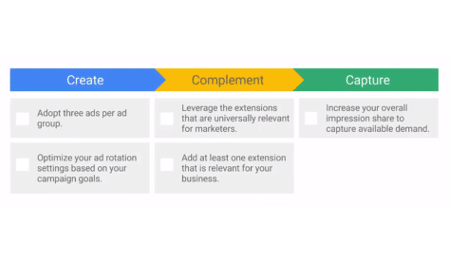
The video focused on how to build a solid foundation for ad groups by breaking things down into three component parts: create, complement, and capture.

Create
The first, create, was the most simple, with the presenters explaining that ad groups should:
- Contain a minimum of three ads, each with varying ad copy (i.e. different headline, call to action, USP) which can then be tested to see which converts best
- Use either optimise for clicks or optimise for conversions ad rotation settings
I’d previously set ads to ‘Rotate Evenly’ so I could determine the winner, but after a few weeks of some ads being shown way more than others, I contacted an AdWords rep who told me that the setting is basically a load of old cobblers – gah.
“The setting ‘Rotate Evenly’ is slightly misleading because it’s never truly even and sometimes there can be huge differences in how much they are served from ad-to-ad. The best one to use is Optimise for Conversions/Clicks because it is essentially rotate evenly for the first few weeks (where it tests which is the best performer) and then tells the system to more often than not put that best performing ad forward. The only real difference between the two is that Optimise for Clicks/Conversions automatically selects a winning ad, where ‘Rotate Evenly’ you have to set it”
– Google rep on ‘Rotate Evenly’ ad rotation setting
Complement
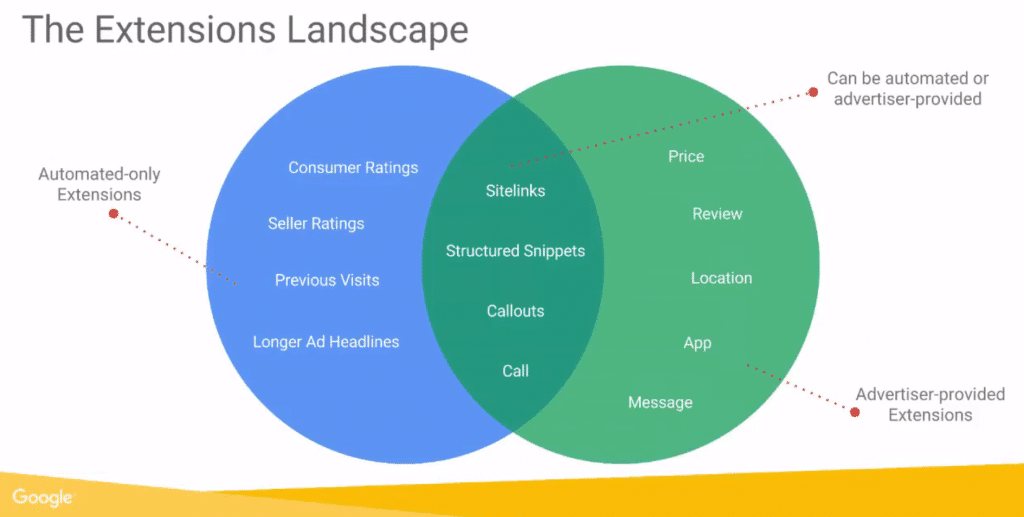
The second component, complement, was slightly more in-depth. This was all about how to increase maximum real estate through the use of ad extensions – specifically sitelinks, callout extensions, structured snippets, price extensions, and review extensions.