

The art of writing content for SEO has changed over the years. Even though there’s loads of resource and guidance out there to help people get it right, so many people still get it so, so wrong.
Here are five bad SEO content habits that need kicking into touch, and five ways to do it now.
Ignoring Semantic Search
Instead of taking your search query literally, search engines can apply meaning and intent to the words you’ve typed (or yelled) into search.
Basically, it’s a better understanding of the context of a search query, arguably driven by the rise in voice commands for the all the devices we’re now surrounding ourselves with.
Once upon a time, it was common practice to be writing content for a page to target one precious keyword, applying variations or relevant phrases on separate pages. But because semantic search takes into account a page’s topic, not just the frequency of certain words, it pays to include those supporting phrases and synonyms to cover a topic more thoroughly.
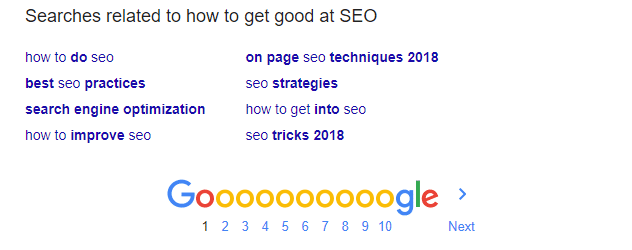
Break the bad habit: Don’t stuff your content with one keyword over and over in the hopes that you’ll rank for it. Instead, work in the supporting phrases. Keyword research will help you determine what those phrases are – you can use Google’s own suggestions for that:
Skimping on Word Count
I get it; you know Google likes “fresh content” and a short blog post won’t take long to write. But a short blog post is thin content, and thin content doesn’t work for SEO. Think about it; it’s difficult to truly cover a topic if you’ve only got 300 words, it’s easy to make it spammy if you try and optimise it, and publishing heftier pieces implies more due care/attention/research has been put into the piece – and that denotes quality.
Truthfully, I don’t have a definitive answer as to why Google favours longer content, but if we’re thinking about semantic search (and we absolutely are), long-form content gives search engines the opportunity to really understand what a page is about.
More Words = More Context
So how short is short? Well, Backlinko found that the average word count of a Google first page result is 1,890 words: