
In SEO terms it’s been a relatively uneventful year, at least when compared with some of the drama we’ve witnessed in recent years following major algorithm updates – see Penguin and Panda.
While things may have settled down on the algorithmic front, 2018 hasn’t been totally event-free. In August Google rolled out ‘Medic’, a core algorithm update that had a big impact on health and medical websites in particular. Google also launched its new and improved Search Console, and with it, gave its users access to a greater depth of organic search data, which was nice. And perhaps most significantly we saw the introduction of Mobile-first indexing, an inevitable yet major milestone in search, and for many, the catalyst for some significant site overhauls.
With 2019 just days away, here are some key SEO considerations for website owners looking to get ahead in the new year. This isn’t an exhaustive list, but should hopefully serve as a useful starting block.
Position zero & long-tail opportunities
Google’s much coveted featured snippets, or ‘position zero’ listings, have been a hot topic this year, not least because of their rising prominence in SERPs. The infinitely-populating ‘People also ask’ results boxes are also now a familiar sight for most of us. In fact, according to Moz, there was a whopping 1,723% growth in People also ask results in SERPs between 2015 and 2017.

When it comes to optimising pages for search there is a tendency amongst SEOs to focus exclusively on keywords with the highest search volumes. In competitive spaces, the real opportunities lie in the long-tail. In 2017 Ahrefs conducted a study of more than 2 million featured snippets that revealed a featured snippet that shows for a search query will always get more traffic than the first organic search result. If that’s not enough to get you thinking about featured snippets, I don’t know what is.
Brand awareness is more important than ever
Earlier this year I wrote about the link between brand awareness and SEO, and how according to one recent study the vast majority (82%) of searchers will click on a brand that they’re familiar with in SERPs, regardless of that brand’s ranking position.

Image via quickmeme.com
While there’s no escaping the fact that search rankings are still a major factor when it comes to attracting organic clicks, visibility is really only half the battle – web pages not only need to be visible, but they also need to be familiar. To gain a competitive edge in 2019, brands need to look beyond SERP positions and consider how wider marketing activities can help drive recognition, and crucially trust.
A link don’t come for free
The term ‘link building’ feels very dated in 2018, a bit dirty, even. As an industry we prefer to talk about link acquisition, link earning, or just good old fashioned PR. Acquiring high-value links in particular requires a shift in mindset; Instead of asking ‘where can we find links’, the focus should be ‘how can we make news’. So next year, instead of pestering publishers for links, give them something they’ll want to talk about and share for all the right reasons. Create good content and amplify it in the right places, and the links will follow.
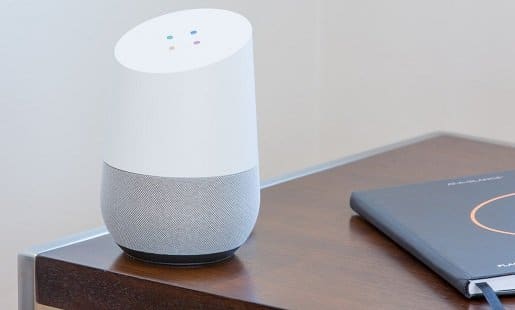
“OK Google, talk to me about voice search”
It’s impossible to ignore the buzz aro